


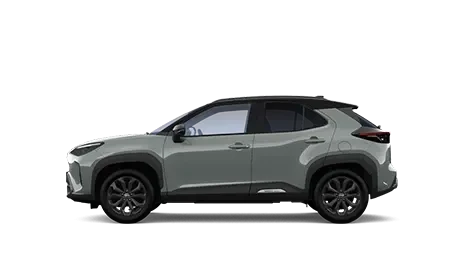
## How hybrids are cleared in 2026
For customs, a hybrid is a car with a combustion engine (ICE) and an electric motor. Excise depends on the ICE volume, fuel type and age, not on the electric motor's power or the battery capacity. For example, a Toyota RAV4 Hybrid 2.5 L and an ordinary petrol car with the same engine and year cost the same to clear.
Exceptions are rare: series hybrids, where the ICE only spins a generator and is not connected to the wheels. They are cleared under a separate code with a fixed excise of €100 per car. A broker checks whether this applies to your car from the VIN before you buy the lot.
## What the cost consists of
- Import duty: 10% of the customs value.
- Excise: by the formula below.
- VAT: 20% of "customs value + duty + excise".
- Pension fund fee: 3–5% at first registration, depending on the car's value.
The customs value is the invoice price (for US cars, the auction price) plus transport costs.
## How excise is calculated
Excise = base rate × engine volume in litres × age coefficient.
- Petrol up to 3,000 cc: €50. Petrol above 3,000 cc: €100.
- Diesel up to 3,500 cc: €75. Diesel above 3,500 cc: €150.
Engine volume in litres is cc divided by 1,000. The age coefficient grows with each year (up to 15), so the older the hybrid, the higher the excise.
## Two calculation examples
Example 1. Toyota Camry Hybrid 2.5 L, 2020, customs value €20,000.
- Duty 10%: €2,000.
- Excise: €50 × 2.5 × 6 = €750.
- VAT 20% of (20,000 + 2,000 + 750): €4,550.
- Total: €7,300 without the pension fund fee.
Example 2. Toyota RAV4 Hybrid 2.5 L, 2022, customs value €25,000.
- Duty 10%: €2,500.
- Excise: €50 × 2.5 × 4 = €500.
- VAT 20% of (25,000 + 2,500 + 500): €5,600.
- Total: €8,600 without the pension fund fee.
The examples are illustrative: the actual amount depends on the exchange rate, the invoice price and the year of manufacture. We calculate the exact cost before you buy the lot: use the calculator on the home page or submit a request.
## What to check when choosing a hybrid at auction
- Engine volume and year of manufacture: they determine the excise.
- VIN history and title type: a clean title is the most predictable, salvage is cheaper but repairs and risks are higher.
- Damage photos: with hybrids it is important to see whether the high-voltage battery and power electronics are affected, because repairing these parts is expensive.
- The total turnkey cost: lot price, auction fees, delivery, payments and services. The decision to buy always stays with you.
## Emission standard and documents
A used passenger car must meet at least Euro-2, a new passenger car Euro-6. Main documents: invoice (purchase agreement), bill of lading, T1 transit declaration, title, transport cost certificate, appraisal report, broker agreement, passport and tax ID. The full list is on the "Customs clearance of cars" page.
## How we ship a hybrid from the USA
Cars travel by sea from the USA to Europe, the main route runs through the port of Klaipėda (Lithuania), then by car carrier to Ukraine. EU transit is handled under the T1 procedure, so EU duties and VAT are not paid, and all customs payments are made once, at clearance in Ukraine. The whole journey from purchase at auction to receiving the keys takes 45–60 days on average.
## Frequently asked questions
Is a hybrid cheaper to clear than a petrol car?
No. Almost all hybrids are treated as petrol or diesel cars, so with the same engine, age and price the payments are the same.
Do the battery or the electric motor's power affect the amount?
No. Excise depends on the combustion engine's volume, fuel type and age.
Is a hybrid cleared like an electric car?
No. The zero duty for electric cars does not apply to hybrids: 10% duty, excise and 20% VAT are paid.
How long does customs clearance take?
With a complete set of documents, usually 2–3 days.
Can I find out the cost before buying the lot?
Yes. We calculate the clearance and the whole journey before you place a bid.